Business Owners Policy (BOP)
Business Owners Policy (BOP) — Wisconsin, Minnesota, Michigan, Arizona, and Iowa
A business owners policy bundles three of the most essential commercial coverage lines into a single policy — often at a lower combined cost than purchasing each one separately. Barnett Insurance Agency compares BOP packages across multiple carriers for small businesses across five states and walks you through exactly what each option covers before you commit to anything.
If a covered loss makes your home temporarily unlivable, additional living expense coverage can help with qualifying temporary costs. Understanding those limits ahead of time can make an already stressful situation easier to navigate.
Coverage Beyond the Standard Policy
Flooding, certain water losses, high-value belongings, and other risks may require separate coverage or endorsements depending on the policy. If flood exposure is part of the conversation, we can also help you review a separate flood insurance policy.
Additional Living Expenses
What a Business Owners Policy Actually Covers
A BOP is designed to address the three coverage needs most small businesses share: what happens if someone gets hurt on your property, what happens if your physical assets are damaged, and what happens to your revenue if you have to close temporarily. Most standalone general liability policies leave the second and third questions unanswered.
General Liability
Covers third-party bodily injury and property damage claims against your business. If a customer slips and falls in your restaurant, or a contractor damages a client's property on a job site, general liability covers the resulting legal costs and damages up to your policy limit.
Commercial Property
Covers your business's physical assets — your building if you own it, your equipment, your inventory, and your furniture — against covered losses including fire, theft, vandalism, and certain weather events.
Business Income Coverage
Replaces lost revenue during a covered closure caused by property damage. If a fire shuts your doors for six weeks, business income coverage keeps the business financially viable while repairs are made. This is the piece most small business owners don't think about until they need it.
These three coverages bundled into a single BOP policy typically cost less than purchasing them individually — and the administrative simplicity of managing one policy instead of three is worth something on its own.

Who a BOP Is Built For
A business owners policy is designed for small to mid-size businesses with a physical location, regular customer contact, or business property worth covering. Common examples across Barnett's client base include:
- Restaurants and food service businesses with a physical dining space, commercial kitchen equipment, and regular customer foot traffic
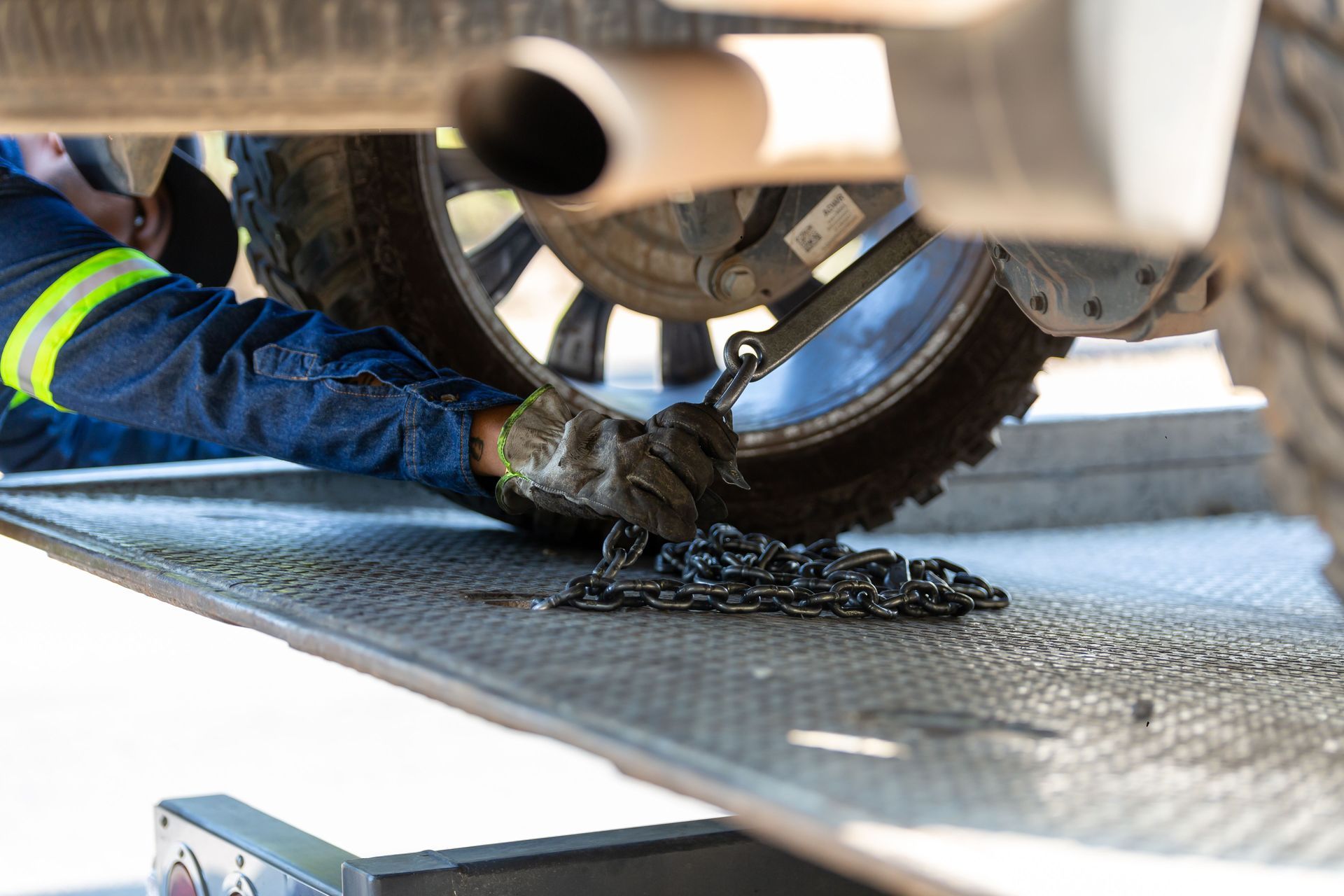
- Towing operations that maintain a dispatch location, storage yard, or office with equipment and property on site
- Retail businesses, professional service firms, and light commercial operations with inventory, tools, or customer-facing premises across Wisconsin, Minnesota, Michigan, Arizona, and Iowa
A BOP is not available to every business type — carriers apply eligibility criteria based on industry, revenue, and risk profile. Businesses that don't qualify for a standard BOP may need individual commercial lines instead. We'll tell you directly which path fits your operation.
What a BOP Does Not Cover
Understanding what a BOP excludes is as important as understanding what it includes. We review both during every business insurance conversation.
A business owners policy covers a lot — but it doesn't cover everything, and the gaps matter. Common exclusions:
Commercial Auto
Vehicles used for business purposes require a separate commercial auto policy. A BOP does not cover business vehicles regardless of what they're used for.
Workers Compensation
Required separately across all five licensed states once employee thresholds are met. A BOP does not substitute for workers comp coverage.
Professional Liability
Claims arising from professional errors, advice, or services typically require a separate errors and omissions policy. General liability within a BOP covers bodily injury and property damage, not professional negligence.
Flood and Earthquake Damage
Standard commercial property within a BOP excludes flood and earthquake losses. Separate coverage is required for either exposure.
Cyber Liability
Data breaches, ransomware, and related incidents require a separate cyber policy. A BOP does not cover these losses.
The Independent Advisor Advantage on BOP Coverage
A captive agent can show you one carrier's BOP. That's the offering, and the conversation ends there. As an independent advisor, we compare BOP packages across multiple carriers — coverage terms, deductibles, business income limits, property sublimits, and pricing — and put the options in front of you in plain language.
Not every carrier structures a BOP the same way. Business income limits vary. Equipment coverage sublimits differ. Some carriers are more competitive for certain industries than others. The comparison matters, and it's something you only get from an independent advisor who isn't tied to one company's product lineup.
Step 1:
Review Your Business Operations
We start by understanding what your business does, what physical assets are at risk, and what your revenue looks like on a typical month. Business income limits should reflect what you'd actually lose during a covered closure — not a round number picked from a dropdown.
Step 2:
Compare BOP Packages Across Carriers
We run your business profile through multiple carriers and compare the results side by side — general liability limits, property coverage, business income terms, deductibles, and pricing. You see the differences and understand what each option actually includes.
Step 5:
Address the Gaps
If your operation has exposures a standard BOP doesn't cover — commercial vehicles, employee risk, professional services — we identify those during the review and make sure the right supplemental coverage is in place alongside the BOP.
Step 4:
Review When the Business Changes
A new location, added employees, expanded services, or new equipment all shift your coverage needs. We review business policies annually and flag when a BOP limit or sublimit no longer reflects how the business operates.
Common Questions About Business Owners Policies Across Five States
What is included in a business owners policy?
A standard BOP includes three core coverages: general liability, which covers third-party bodily injury and property damage claims; commercial property, which covers your business's physical assets against covered losses; and business income coverage, which replaces lost revenue during a covered closure caused by property damage. Some carriers offer endorsements that expand BOP coverage to include additional exposures — we review those options during the quoting process and flag the ones worth considering for your specific operation.
Who qualifies for a business owners policy?
BOP eligibility is determined by the carrier based on your industry, annual revenue, physical footprint, and risk profile. Most small businesses in retail, food service, professional services, and light commercial operations qualify. Businesses with higher-risk operations, significant fleet exposure, or revenues above certain thresholds may not qualify for a standard BOP and may need individual commercial lines instead. We'll tell you early in the conversation which path applies to your business.
What is not covered by a BOP?
The most important exclusions are commercial auto, workers compensation, professional liability, flood damage, earthquake damage, and cyber liability. Each of these requires a separate policy. A BOP is a strong foundation for small business coverage, but it's rarely a complete solution on its own. Part of our job is identifying what the BOP doesn't cover and making sure those gaps are addressed before something tests them.
How is a BOP different from general liability insurance?
General liability covers third-party claims for bodily injury and property damage — it's one piece of the BOP. A business owners policy bundles general liability with commercial property and business income coverage into a single policy. If you have general liability only, your business property and your revenue during a covered closure aren't covered. For most small businesses with physical assets and a location, a BOP is the more complete starting point.
How much does a business owners policy cost for a small business in Wisconsin, Minnesota, Michigan, Arizona, or Iowa?
BOP premiums for small businesses typically range from $500 to $3,000 per year depending on your industry, your revenue, your physical location, the value of your business property, and the coverage limits you carry. Restaurants and businesses with higher foot traffic or commercial kitchens typically pay toward the higher end of that range. The best way to know what you'll pay is to have your specific business compared across multiple carriers — which is exactly how we approach every BOP conversation.
One Policy. Three Coverages. Let's Build It Right.
If you're not sure whether a BOP covers what your business actually needs — or if you've been running on general liability alone and wondering what's missing — give us a call or schedule a guidance call. We'll look at your operation, compare packages across carriers, and tell you directly what fits.
For coverage lines that work alongside a BOP, see our pages on commercial auto insurance, workers compensation, and general liability insurance.